

The Ultimate First-Time Marathon Guide
Running 42 kilometres is a massive undertaking, but millions of everyday people cross that finish line every year. The difference between a grueling slog and an empowering victory doesn't just come down to how much you run—it comes down to how smartly you prepare.
Here is your complete blueprint for tackling your first marathon, from building your base mileage to recovering like a pro.
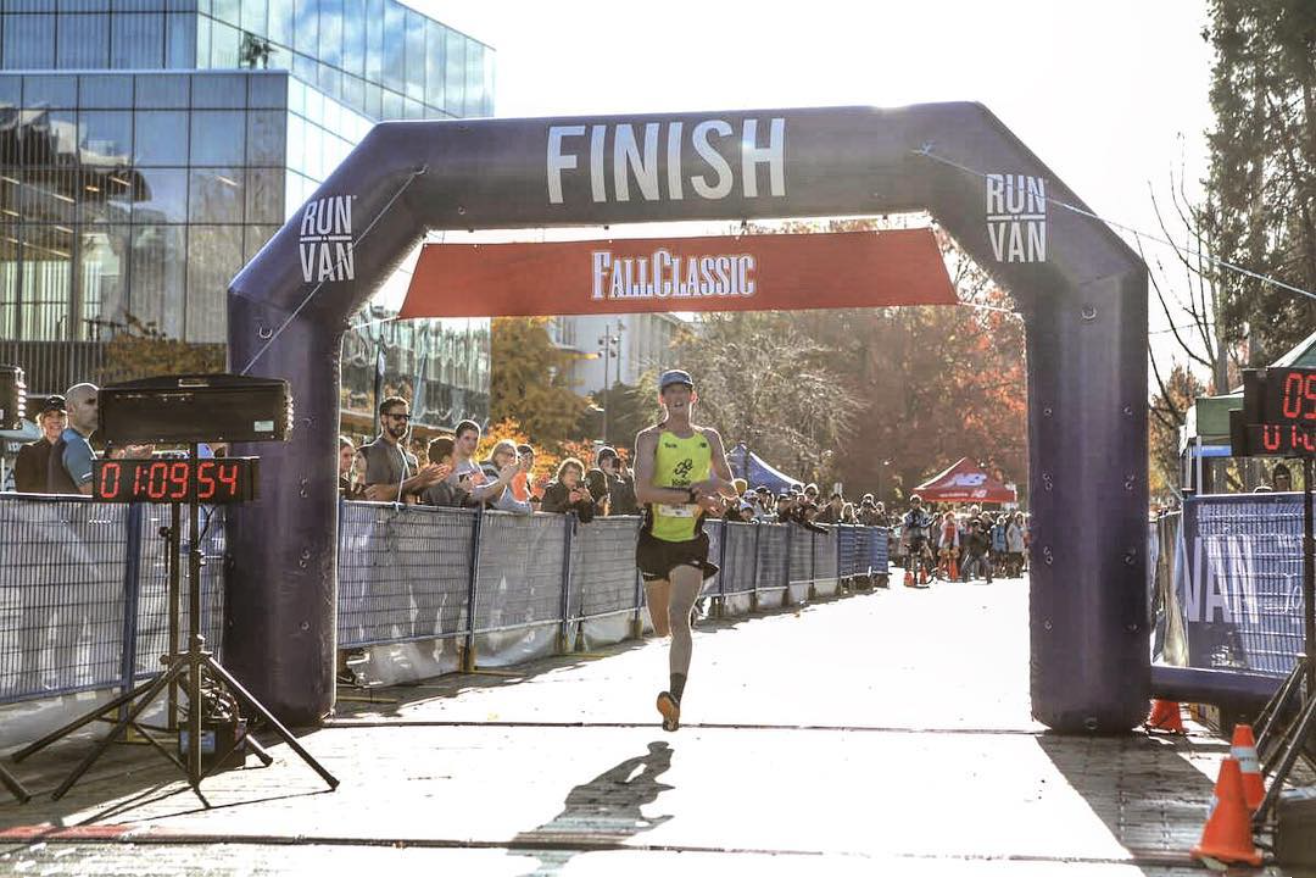
The ultimate goal: the finish line. Source: Canadian Running Magazine
Section 1: The Running Plan
The biggest mistake beginners make is running too fast, too soon. Marathon training is an exercise in patience.
Build a Plan: Set out your targets for each week and hit them. Being prepared is the start.
The 10% Rule: Never increase your total weekly mileage by more than 10%. If you run 20 kms this week, run no more than 22 kms next week. This is the golden rule for preventing shin splints and runner's knee.
The Long Run: Your weekend long run is sacred. It's not about speed; it's about time on your feet. Start around 10kms and peak at 35 kms about three weeks before race day.
The Taper: In the final three weeks before the race, you will significantly reduce your mileage. This feels counterintuitive, but your body needs this time to repair micro-tears and top up glycogen stores for race day.
Section 2: Fueling the Machine
You cannot run a marathon on water and willpower alone.
Carbs Are King: During peak training, carbohydrates are your primary energy source. Focus on complex carbs like oats, sweet potatoes, and brown rice.
Practice Mid-Run Fuel: Experiment with energy gels, chews, or sports drinks during your long runs to find what your stomach can tolerate. A general rule is to take in 30–60 grams of carbs per hour during runs lasting longer than 90 minutes.
Hydration: Drink to thirst, but stay ahead of it. If you feel thirsty, you are already slightly dehydrated.
Section 3: The Secret Weapon — Strategic Recovery
Most first-timers obsess over the miles and ignore the hours in between. If you don't recover effectively, you can't train consistently.
Active Recovery: A light 20-minute walk or a gentle bike ride the day after a long run flushes out metabolic waste much faster than total rest on the couch.
Targeted Heat & Massage: We actually developed the RegenX HeatFlow specifically for this phase of training. When your quads and calves are locked up after a long run, standard passive stretching isn't enough. The HeatFlow uses targeted heat zones and sequential compression to drive oxygen-rich blood deep into the muscle tissues, flushing out waste and dramatically reducing DOMS (Delayed Onset Muscle Soreness). Just 15 minutes with the RegenX system can cut your recovery time in half, ensuring your legs are fresh for your next session.
Key insight: Lactic acid isn't actually what causes soreness days later—it's micro-tearing and inflammation. Applying heat and massage (like with the RegenX) stimulates blood flow to repair those tissues much faster. Remember, you can only train as much as you are recovered.
Section 4: Race Day Execution
The hay is in the barn. Now it's time to execute.
Nothing New on Race Day: No new shoes, no new shorts, and absolutely no new breakfast foods. Stick entirely to what worked during your training block.
Pacing: Start slower than you think you need to. The adrenaline of the starting line will make your goal pace feel incredibly easy, making it tempting to sprint early. Hold back.
Break It Down: Don't think about running 42 kilometres . Think about running 4 10km segments, and then a 2km victory lap.
Crossing that finish line will completely change how you view your own limits. Train smart, recover smarter, and trust the process.